
Homeowners researching garage upgrades often discover several flooring options beyond plain concrete. Paint, interlocking tiles, and epoxy coatings each promise improved looks and protection. Understanding how these options differ helps homeowners choose wisely before spending money on the wrong solution. Here is an honest comparison of the most common choices available today.
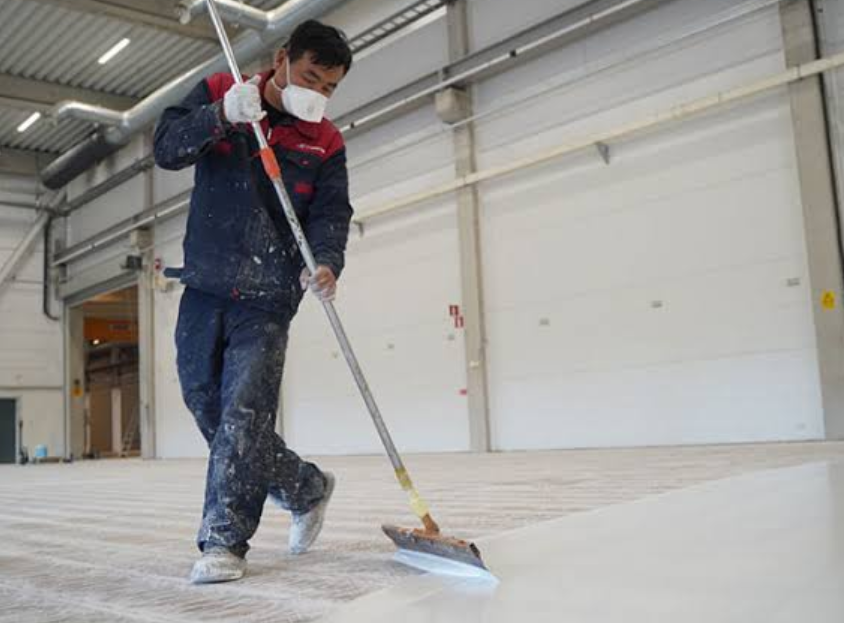
Weighing Your Garage Flooring Choices
Not sure which flooring option actually fits your garage needs? Comparing epoxy garage flooring Manchester homeowners choose against other common options reveals clear advantages. Here is how the choices stack up.
Concrete Paint Falls Short Quickly
Standard concrete paint costs less upfront than other options. However, it lacks the durability needed for heavy garage use. Tire marks, oil spills, and dropped tools wear through paint within months in many cases. Peeling and chipping become common complaints. This option works temporarily for light use garages but rarely satisfies homeowners seeking a lasting solution. Most people find themselves repainting repeatedly, which adds up in cost and effort over time.
Interlocking Tiles Offer Flexibility
Interlocking floor tiles snap together without professional installation. This appeals to homeowners wanting a quick weekend project. However, tiles can shift under heavy vehicles and sometimes trap moisture or debris underneath. Gaps between tiles collect dirt that regular sweeping cannot fully remove. While tiles offer easy replacement if damaged, the seams create maintenance challenges that seamless coatings avoid entirely. This option suits light use better than daily vehicle traffic.
Epoxy Delivers Lasting Durability
Epoxy creates a seamless, hard surface that resists the wear concrete paint cannot handle. Unlike tiles, there are no seams to trap dirt or shift underweight. The coating bonds directly to concrete, creating long term protection against stains, chemicals, and impact damage. While professional installation costs more upfront than paint or basic tiles, the lifespan often justifies the investment. Many homeowners find epoxy requires the least ongoing maintenance of any option available.
Comparing Long Term Value
Looking only at initial price misses the bigger picture. Paint requires frequent reapplication, adding hidden costs over several years. Tiles may need partial replacement as pieces wear or crack. Epoxy typically lasts many years with minimal upkeep beyond regular sweeping. Calculating total cost of ownership over a decade often reveals epoxy as the more economical choice, despite higher initial pricing. This long view helps homeowners avoid repeated expenses down the road.
Matching Options to Garage Use
The right choice depends on how a garage actually gets used. Occasional light use might tolerate painted concrete temporarily. Hobbyists wanting flexibility might prefer tiles for easy replacement. Daily vehicle traffic and workshop activity typically favor epoxy for its proven durability. Considering actual usage patterns, rather than price alone, leads to a more satisfying long-term decision for any homeowner weighing these different flooring options carefully.
Conclusion: Weighing Your Garage Flooring Choices
Comparing concrete paint, interlocking tiles, and epoxy reveals meaningful differences in durability and long-term value. Paint wears quickly, while tiles offer flexibility but create seam related maintenance. Epoxy stands out for lasting performance under heavy use. Matching the right option to actual garage habits ensures homeowners invest wisely in a flooring solution built to last.
Recent Comments